
 Alex
Alex Mind Mapping for Elicitation: Visually Organising Thoughts and Associations During Brainstorming
Brainstorming is often described as a flurry of ideas, but it is more like stepping into a vast, uncharted cave illuminated only by a flickering torch. Shadows dance, pathways diverge, and the mind jumps between thoughts that seem unrelated at first glance. Instead of relying on typical business analytics explanations, imagine an explorer mapping the cave walls, noting every crevice and pattern. Mind mapping serves as this explorer’s tool. It transforms chaotic sparks of creativity into structured visual form, helping teams and individuals navigate complexity with clarity and purpose.
Mind Mapping as the Compass in Idea Exploration
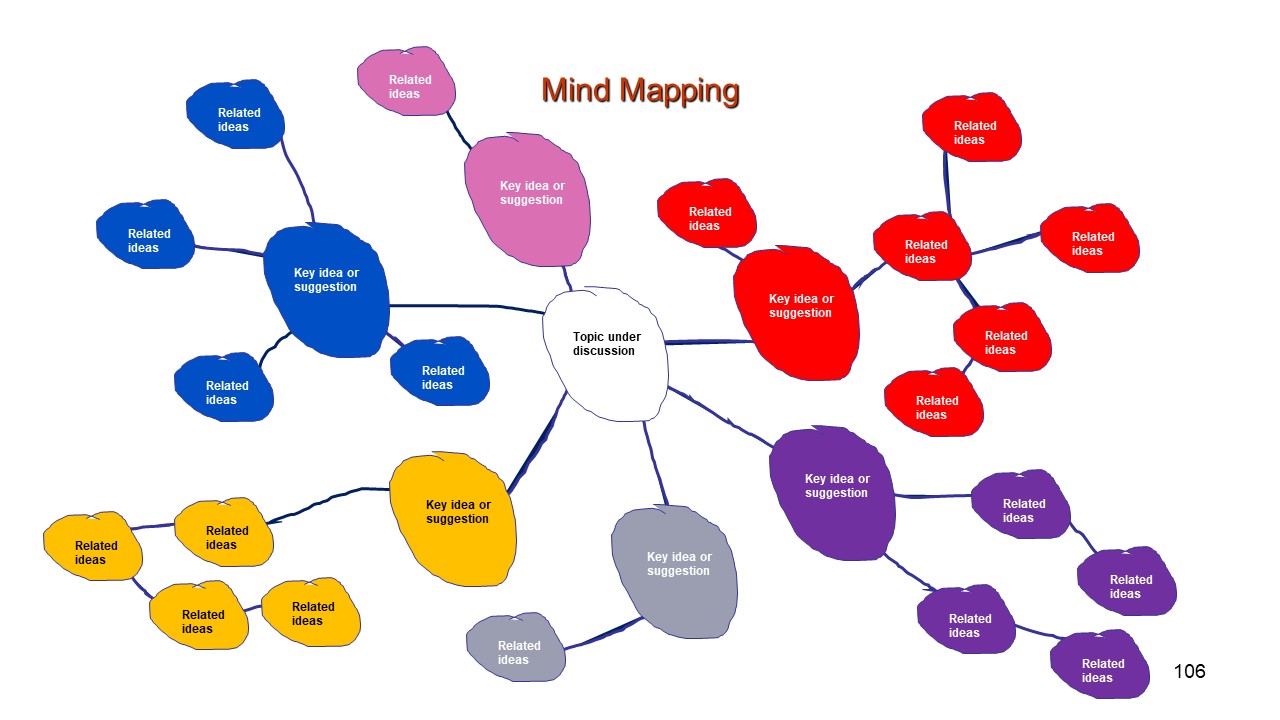
In the early stage of elicitation, the mind behaves like a compass needle spinning in all directions. Ideas emerge from instinct, memory, and curiosity. Mind mapping stabilises this needle. It places a central thought at the heart of the page and invites branches to emerge naturally, creating a visual rhythm that mirrors human thinking.
Each branch represents a pathway of meaning, allowing participants to explore possibilities without constraints. The technique encourages inclusivity, ensuring every idea finds a place on the map before refinement begins. Learners who attend structured programmes such as business analytics classes often discover how these mapping techniques enhance collaborative thinking and reduce ambiguity during early discovery workshops.
Capturing Associations Through Storylike Structures
A mind map does not just store ideas. It shows how they relate, evolve, and influence one another. These associations form storylike structures that help participants make sense of complexity. Instead of listing ideas linearly, mind mapping draws them into meaningful clusters that reveal patterns hiding beneath the surface.
For example, during a product ideation session, a simple central theme such as “customer expectations” may expand into branches about emotions, behaviours, challenges, and opportunities. Each cluster deepens the narrative, turning abstract thoughts into connected insights. This visual storytelling empowers participants to articulate ideas that might otherwise remain vague.
Reducing Cognitive Load Through Visual Organisation
Brainstorming can overwhelm even the most experienced professionals. When hundreds of ideas float without structure, cognitive strain increases and clarity evaporates. Mind mapping counteracts this by externalising thought. It shifts mental load from memory to a visually structured diagram.
This visual reduction of cognitive pressure enables teams to focus on logic, relationships, and priorities rather than trying to remember scattered thoughts. It also promotes active engagement, as stakeholders can immediately spot gaps, redundancies, and emerging themes. Over time, this structure becomes a strategic asset for planning, decision making, and documentation.
Enhancing Collaboration Through Shared Visual Canvases
A mind map becomes more powerful when used collaboratively. Imagine a group gathered around a large canvas, adding branches, adjusting links, and collectively shaping the narrative. In such moments, the map becomes a living document that mirrors the team’s shared understanding.
Collaborative mapping strengthens communication by giving every participant a visual voice. Conflicts become easier to resolve because the reasoning behind choices is visible to all. This shared visual foundation reduces misinterpretation and speeds up the clarification process. Professionals who practise these techniques often build stronger facilitation skills that complement analytical learning, including those developed through well-designed business analytics classes.
Transitioning Mind Maps into Structured Requirements
While mind maps begin as freeform visual explorations, their true value emerges when they evolve into structured requirements. Once associations and themes are clear, the diagram can be translated into formal requirement statements, prioritised lists, and project documentation.
This transition bridges creativity and structure. It allows teams to move naturally from ideation into execution without losing the richness of early discussions. By capturing emotional nuances, functional expectations, and contextual insights, mind maps ensure that solutions are shaped with a holistic understanding of stakeholder needs.
Conclusion
Mind mapping is more than a visual technique. It is a cognitive journey that transforms the uncertainty of brainstorming into structured insight. Through branching associations, narrative clusters, collaborative canvases, and systematic transitions, it guides teams from raw ideas to clear direction. In environments where clarity is essential and creativity must be channelled effectively, mind mapping becomes a trusted tool for elicitation. By illuminating ideas visually, it empowers professionals to explore deeply, organise confidently, and communicate meaningfully.
0 Comment