
 David
How a Dentist Supports Long-Term Oral Health
Good oral health is an important part of everyday well-being. Teeth and gums require regular care to remain clean, comfortable, and functional. While brushing and flossing at home are essential habits, professional dental care also plays an important role in identifying problems and maintaining oral health over time.
Many dental problems can develop gradually without causing noticeable discomfort at first. A small cavity, early gum irritation, or developing tooth damage may not always be obvious during daily activities. Regular dental appointments allow potential concerns to be examined before they become more complicated. If you are looking for pediatric dentist Leesburg call Treasured Smiles Pediatric Dentistry
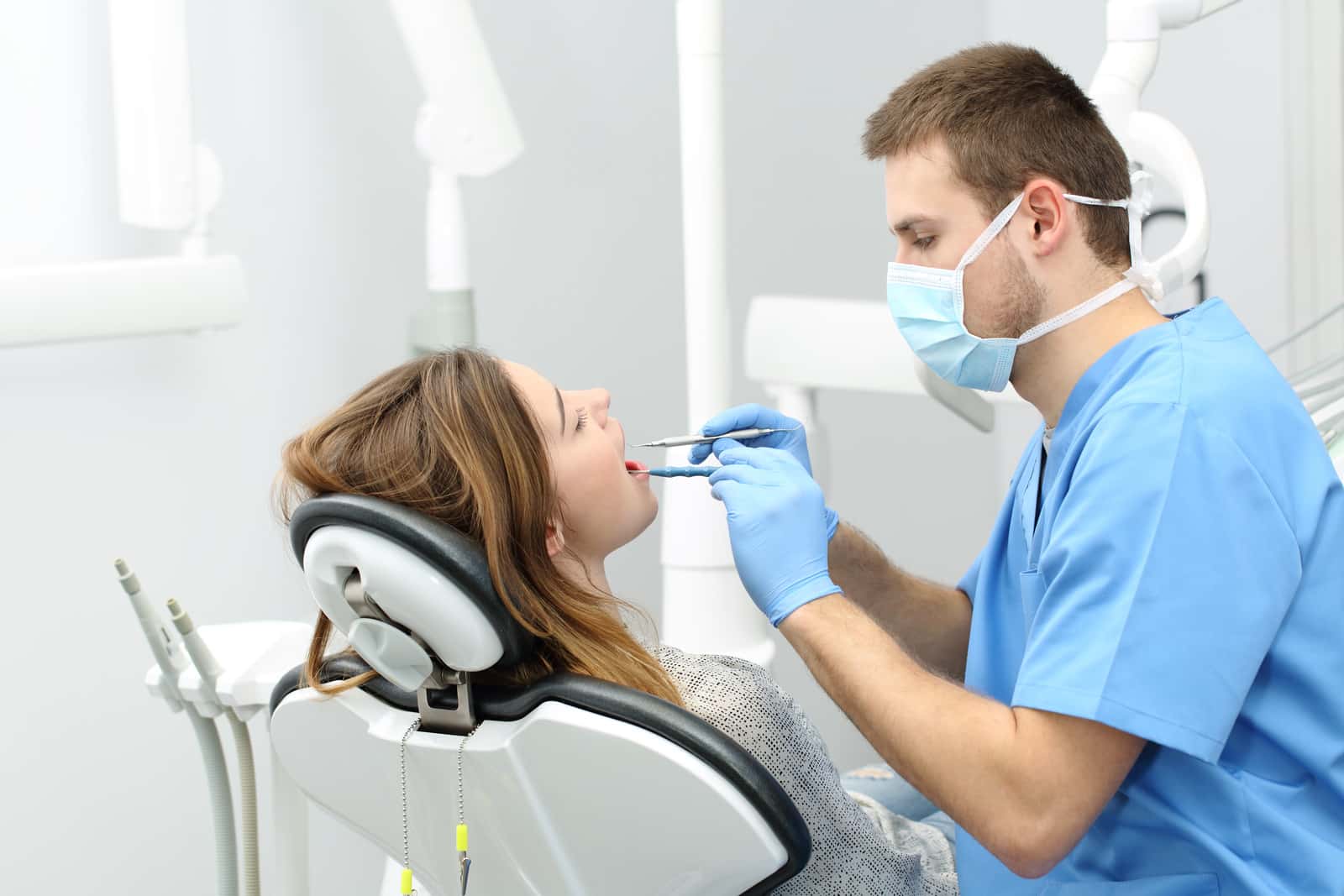
A dentist can provide a variety of services based on a patient’s individual needs. Routine examinations, professional cleanings, fillings, tooth restorations, and preventive guidance are common examples. Depending on the situation, a dental professional may also recommend additional treatment or refer a patient to a specialist.
Professional cleanings are useful because certain deposits can be difficult to remove through normal brushing alone. Plaque that remains on teeth can eventually harden into tartar. Regular professional cleaning can help remove these deposits and support healthier teeth and gums.
Daily oral hygiene remains equally important between appointments. Brushing twice a day with fluoride toothpaste and cleaning between teeth can help remove food particles and plaque. Limiting frequent sugary foods and drinks can also support better dental health. These simple habits become more effective when practiced consistently. If you are looking for pediatric dentists Leesburg call Treasured Smiles Pediatric Dentistry
Gum health deserves attention as well. Red, swollen, tender, or bleeding gums can sometimes indicate an underlying issue. Ignoring such changes may allow a problem to progress. Speaking with a dental professional when unusual symptoms appear can help determine whether further examination or treatment is needed.
Dental care is not limited to adults. Children can benefit from learning good oral hygiene habits from an early age. Parents can help children understand the importance of brushing, choosing appropriate foods, and visiting the dentist regularly. Early positive experiences with dental care may also make future appointments easier.
People may also seek dental care for cosmetic reasons. Teeth whitening, bonding, veneers, and other cosmetic procedures can change the appearance of a smile. Anyone considering cosmetic treatment should discuss available options, expected results, costs, and potential limitations with a qualified dental professional.
Damaged or missing teeth can affect more than appearance. They may make chewing certain foods difficult or change how a person feels when speaking or smiling. Depending on the situation, restorative options such as crowns, bridges, or dental implants may be considered. A dental examination can help determine which approach is appropriate.
Choosing a dental professional should involve more than simply looking at location. Patients may consider the range of services offered, office environment, appointment availability, communication, and experience with specific dental needs. Clear communication is particularly useful because patients should feel comfortable discussing symptoms, concerns, and treatment preferences.
Dental emergencies require prompt attention in many situations. Severe tooth pain, significant swelling, broken teeth, or dental injuries may need professional evaluation. Keeping a dental provider’s contact information available can make it easier to seek assistance when an unexpected problem occurs.
Preventive care can often reduce the need for more complicated treatment later. Regular examinations, professional cleanings, and consistent home care work together to maintain oral health. However, every person has different dental needs, so recommendations may vary according to age, oral condition, lifestyle, and medical history.
A healthy smile is supported by daily habits as well as professional care. Paying attention to changes in the mouth, maintaining good hygiene, and attending appropriate dental appointments can help protect teeth and gums over the long term.
Ultimately, dental care is an ongoing process rather than something that only matters when pain develops. With regular attention and professional guidance, individuals can better manage their oral health and maintain a comfortable, functional smile throughout different stages of life.
0 Comment