
 Alex
Alex The Evolution and Experience of the Modern Shop
A shop is more than just a place where Shop goods are bought and sold—it is a cornerstone of daily life, culture, and economic activity. From small neighborhood stores to massive global retail chains, shops have evolved significantly over time, adapting to technological advances and changing consumer preferences. Today, the concept of a “shop” encompasses both physical storefronts and digital platforms, offering customers convenience, variety, and personalized experiences.
The Traditional Shop: A Community Hub
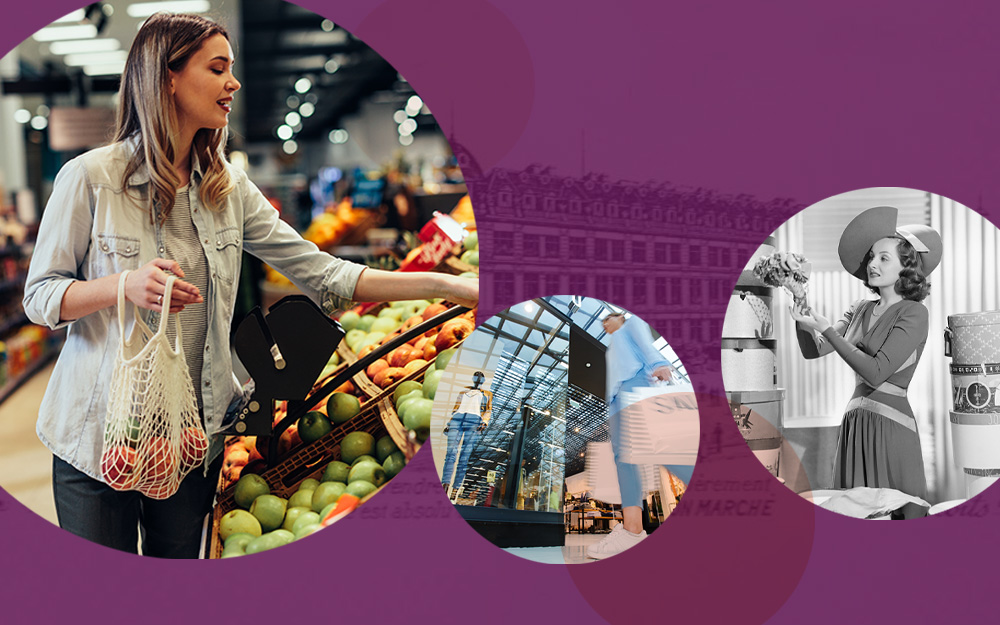
Historically, shops were small, family-owned businesses that served local communities. These traditional stores were often located in marketplaces or along busy streets, where merchants built strong relationships with customers. Personal interaction was at the heart of the shopping experience. Shopkeepers knew their customers by name, understood their preferences, and provided tailored recommendations.
In many parts of the world, including South Asia, small shops such as grocery stores, clothing outlets, and street vendors continue to thrive. These establishments are not only places of commerce but also social hubs where people gather, exchange news, and build connections. The charm of traditional shops lies in their authenticity, personalized service, and sense of familiarity.
The Rise of Retail Chains and Shopping Malls
As economies grew and urbanization increased, the retail landscape began to change. Large retail chains and shopping malls emerged, offering a wide range of products under one roof. This transformation brought convenience and efficiency, allowing customers to compare products, explore different brands, and enjoy a more structured shopping environment.
Shopping malls, in particular, became destinations for entertainment as well as retail. With food courts, cinemas, and recreational areas, they turned shopping into a leisure activity. Customers were no longer just buying goods—they were experiencing a lifestyle. This shift marked the beginning of experiential retail, where ambiance, design, and customer engagement became just as important as the products themselves.
The Digital Revolution Online Shopping
The advent of the internet revolutionized the concept of the shop. Online shopping platforms have made it possible for consumers to purchase products from anywhere in the world with just a few clicks. E-commerce websites and mobile apps offer unparalleled convenience, competitive pricing, and access to a vast array of goods.
Digital shops operate 24/7, eliminating the limitations of physical store hours. Customers can browse reviews, compare prices, and make informed decisions without leaving their homes. Features like fast delivery, easy returns, and secure payment systems have further enhanced the online shopping experience.
However, this digital shift has also created challenges for traditional retailers. Many small shops struggle to compete with the scale and efficiency of online giants. As a result, businesses are increasingly adopting hybrid models, combining physical stores with online platforms to stay competitive.
The Importance of Customer Experience
In today’s competitive market, the success of a shop depends heavily on the customer experience it offers. Modern consumers expect more than just products—they seek convenience, quality, and engagement. Shops that prioritize customer satisfaction are more likely to build loyalty and long-term relationships.
Elements such as store layout, product display, customer service, and branding all contribute to the overall experience. In physical stores, a welcoming atmosphere and helpful staff can make a significant difference. In online shops, user-friendly interfaces, clear product descriptions, and responsive support are essential.
Personalization is another key factor. By understanding customer preferences and behavior, shops can offer tailored recommendations, promotions, and services. This not only enhances the shopping experience but also increases the likelihood of repeat purchases.
Sustainability and Ethical Shopping
As awareness of environmental and social issues grows, consumers are becoming more conscious of their purchasing decisions. Many shoppers now prefer businesses that prioritize sustainability, ethical sourcing, and fair labor practices.
Shops are responding by adopting eco-friendly practices such as reducing plastic packaging, sourcing sustainable materials, and supporting local producers. Ethical shopping is no longer a niche trend—it is becoming a mainstream expectation. Businesses that align with these values can build trust and strengthen their brand reputation.
The Future of Shops
The future of shops lies in innovation and adaptability. Emerging technologies such as artificial intelligence, augmented reality, and automation are transforming the retail experience. For example, virtual try-ons, smart checkout systems, and personalized shopping assistants are becoming increasingly common.
Physical shops are also evolving to remain relevant. Many are focusing on creating immersive experiences that cannot be replicated online. Pop-up stores, interactive displays, and in-store events are just a few examples of how retailers are attracting customers.
At the same time, the integration of online and offline channels—often referred to as “omnichannel retail”—is shaping the future of shopping. Customers can browse products online, visit stores to experience them, and choose their preferred method of purchase and delivery. This seamless integration offers the best of both worlds.
Conclusion
The concept of the shop has come a long way from its humble beginnings as a simple marketplace stall. Today, it represents a dynamic and ever-evolving industry that blends tradition with innovation. Whether physical or digital, shops play a vital role in connecting people with the products and services they need.
As consumer expectations continue to evolve, shops must adapt by embracing technology, enhancing customer experiences, and prioritizing sustainability. In doing so, they can remain relevant and thrive in an increasingly competitive world. Ultimately, a successful shop is not just defined by what it sells, but by the value and experience it provides to its customers.
0 Comment