
 Alex
Alex The Art and Science of Perfumery Crafting Scents That Tell Stories
Perfumery is one of humanity’s oldest and most enchanting arts, blending creativity, science, and culture into a single craft. More than just creating pleasant aromas, perfumery is about evoking memories, emotions, and even identities. From ancient civilizations using fragrant oils in rituals to top brand perfume for women modern fragrance houses crafting signature scents, perfumery has evolved into a sophisticated blend of artistry and chemistry.
The Origins of Perfumery
The history of perfumery stretches back thousands of years. Ancient Egyptians were among the first to use perfumes for both religious and personal purposes. They created aromatic balms from resins, herbs, and oils, often used in ceremonies to honor the gods or prepare the deceased for the afterlife. In Mesopotamia, the first recorded perfumer, a woman named Tapputi, experimented with flowers, oils, and solvents as early as 1200 BCE. Similarly, the Greeks and Romans incorporated perfumes into their daily lives, valuing them for hygiene, beauty, and luxury.
Perfume-making spread along trade routes, with spices and fragrant materials traveling from Asia, the Middle East, and Africa into Europe. By the Renaissance, perfumery had become a refined art in France and Italy, leading to the establishment of Grasse, France, as the world’s perfume capital.
The Science Behind the Scent
Modern perfumery combines artistic vision with scientific precision. Every perfume is a composition made up of three layers of “notes”:
- Top Notes – The first impression of a fragrance, usually light and fresh, such as citrus, herbs, or delicate florals.
- Heart Notes – The core of the perfume, which emerges after the top notes fade. This layer often contains richer florals, spices, and fruity elements.
- Base Notes – The longest-lasting part of a scent, including deep, warm, and sensual ingredients like musk, amber, and woods.
Perfumers, also known as “noses,” must understand the volatile nature of fragrance molecules and how they interact over time. They use both natural ingredients (such as essential oils from plants and resins) and synthetic aroma compounds to achieve unique results. Modern chemistry has expanded the possibilities of perfumery, allowing the creation of scents that could never be found in nature.
The Creative Process of a Perfumer
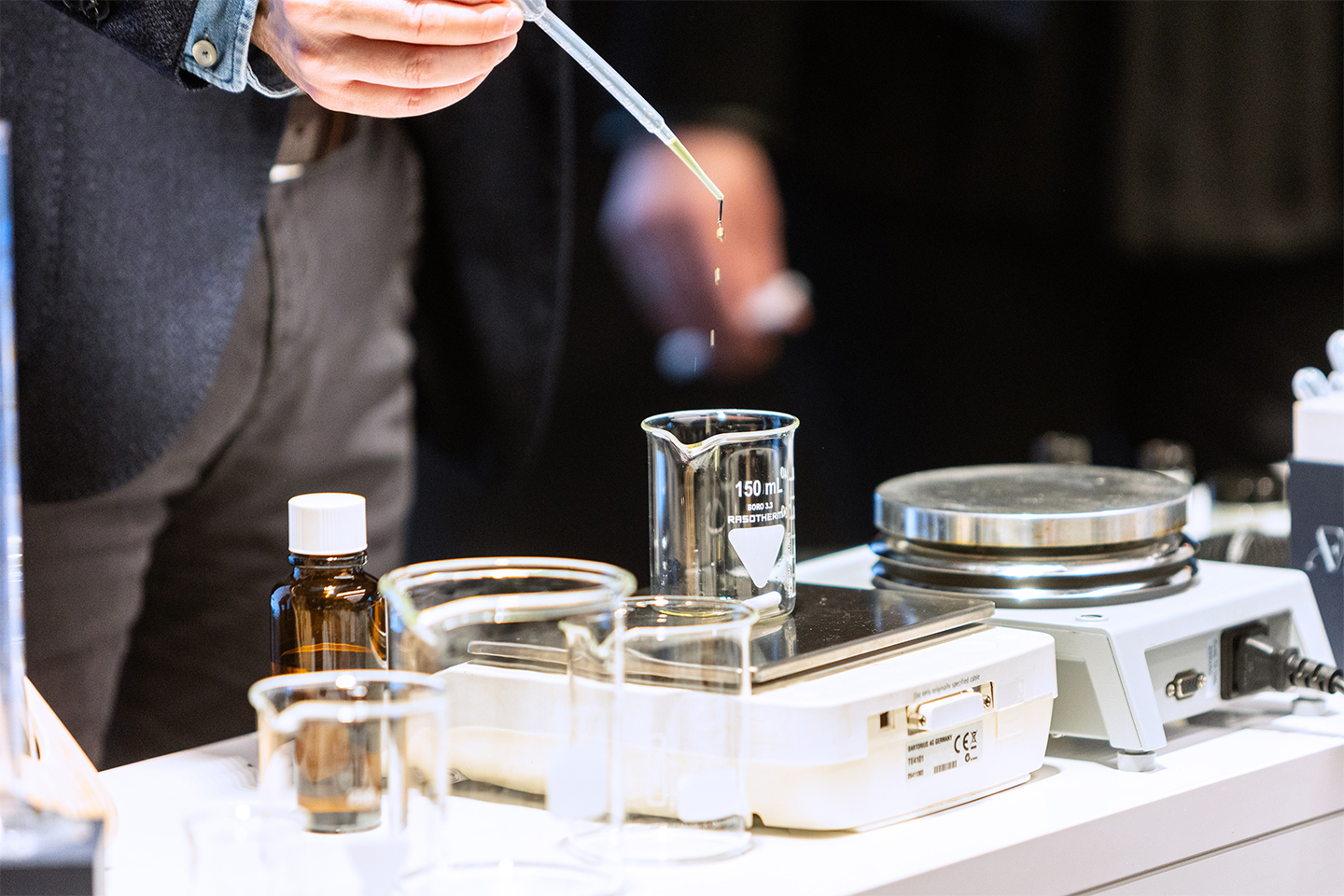
Designing a perfume begins with inspiration. This could be a memory, a location, a color, or even an emotion. A perfumer will select raw materials—sometimes hundreds—to build a composition that tells a story. The process involves meticulous blending, testing, and refining until the perfect balance is achieved.
The role of the perfumer is similar to that of a composer in music. Just as musical notes create a symphony, fragrance notes come together to form a harmonious scent. Achieving balance is crucial; if one note overpowers another, the entire perfume can feel unbalanced.
Types of Perfumes
Perfumes are categorized by their concentration of aromatic oils, which affects their strength and longevity:
- Parfum (Extrait de Parfum): Highest concentration, lasting up to 12 hours.
- Eau de Parfum (EDP): Slightly lighter, lasting 6–8 hours.
- Eau de Toilette (EDT): Fresher and lighter, lasting 4–6 hours.
- Eau de Cologne: Very light and refreshing, lasting around 2–3 hours.
Each type suits different occasions, moods, and personal preferences.
Perfumery as an Art Form
Beyond its technical aspects, perfumery is a deeply emotional and artistic field. A single scent can transport someone back to a childhood moment, a distant holiday, or a long-lost love. This emotional power is why perfumes are often seen as invisible accessories—intangible yet unforgettable.
Perfume advertising and bottle design also contribute to its artistry. The packaging reflects the personality of the scent, whether it’s minimal and elegant, bold and modern, or romantic and vintage.
The Future of Perfumery
As consumer preferences evolve, the perfumery industry is exploring sustainable and ethical practices. Natural raw materials are being sourced responsibly, and biodegradable packaging is becoming more common. Synthetic alternatives are reducing pressure on endangered plants and animal-derived ingredients, making perfumery more environmentally friendly.
Technology is also shaping the future of scent creation. Artificial intelligence is helping perfumers analyze fragrance trends and design compositions faster. Personalized perfumes tailored to an individual’s skin chemistry and preferences are becoming a growing trend, giving perfume lovers the chance to own a truly unique scent.
Conclusion
Perfumery is more than mixing aromas—it’s a centuries-old craft that blends heritage, science, and creativity. From ancient temples filled with incense to the elegant fragrance boutiques of today, the journey of perfume reflects humanity’s desire to capture beauty, emotion, and memory in a bottle. Whether you wear perfume for self-expression, attraction, or simple pleasure, every drop holds a story waiting to be told.
0 Comment