
 David
David Professional Network Cabling for Reliable Business Connectivity
Professional network cabling plays an important role in creating a dependable communication system for homes, offices, commercial buildings, and other facilities. As businesses rely more heavily on computers, cloud applications, video conferencing, security systems, and connected devices, a well-planned cabling infrastructure can provide the foundation for stable and efficient connectivity.
Network cabling involves installing and organizing the physical cables that connect computers, servers, switches, routers, access points, phones, and other network equipment. A properly designed system can make it easier for devices to communicate while keeping cables organized and accessible for future maintenance. Choosing suitable cable types and installation methods is an important part of building a dependable network.
Businesses should consider their current and future connectivity requirements before beginning an installation. A small office may have different needs than a large commercial facility with numerous workstations and network devices. Planning cable routes, equipment locations, connection points, and future expansion can help create an infrastructure that remains useful as the organization grows. For voip phones Triad area contact Applied Telecom, Inc..
Network cabling can include different types of cable depending on the requirements of a project. Ethernet cables are commonly used for connecting computers, switches, access points, and other network devices. Fiber optic cabling may be selected when high bandwidth, longer distances, or specific performance requirements are involved. The appropriate solution depends on the building layout, network equipment, distance, and expected data demands.
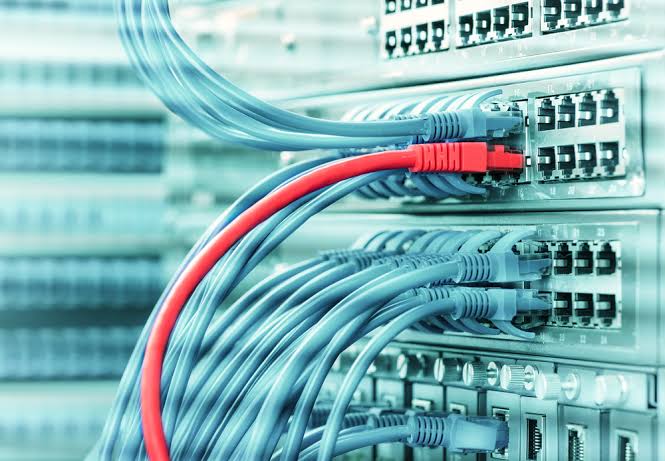
Professional installation can also improve cable organization. Poorly arranged cables can create confusion during troubleshooting and may make future upgrades more difficult. Organized cable pathways, proper labeling, secure connections, and suitable cable management can make it easier for technicians to identify individual connections when maintenance is required.
Another important consideration is performance. A network depends on more than just the internet service being provided. Damaged cables, poor connections, excessive cable length, interference, or inappropriate installation techniques can affect network reliability. Professional technicians can inspect the installation environment and use appropriate practices to reduce common connectivity problems.
Businesses may also benefit from planning their cabling system around future technology needs. Offices frequently add computers, wireless access points, surveillance equipment, VoIP phones, printers, and other connected devices. Leaving room for additional connections can reduce the need for disruptive rewiring when new equipment is introduced.
Safety and building appearance are also worth considering. Cables should be routed appropriately and secured to avoid creating unnecessary hazards. In professional environments, neat installations can contribute to a cleaner workspace while making maintenance more convenient.
When choosing a company for a cabling project, customers should consider experience, installation practices, communication, and the ability to understand the specific requirements of the property. Asking about cable types, testing procedures, labeling, warranties, and future expansion can help customers make an informed decision.
A properly planned network cabling system can provide a strong foundation for reliable digital communication. With suitable materials, careful installation, organized cable management, and thoughtful planning, businesses can create infrastructure that supports everyday operations while allowing room for future technology and growth.
0 Comment