
 Alex
Alex Landscaping: A Deeper Look at Design, Benefits, and Modern Trends
Landscaping is a broad discipline that shapes outdoor environments to be both functional and visually appealing. It goes beyond simple gardening, involving careful planning, design principles, environmental knowledge, and long-term maintenance. From residential yards to public parks, landscaping helps create spaces that support human activities while respecting natural ecosystems.
A successful landscape begins with a strong design concept. Designers often start by analyzing the land’s natural features such as slope, soil quality, drainage, and sunlight exposure. These factors determine what types of plants will thrive and how different areas of the space should be used. For example, shaded areas may be ideal for seating or shade-loving plants, while sunny spaces are better suited for lawns or flowering gardens. Good design ensures harmony between nature and human use.
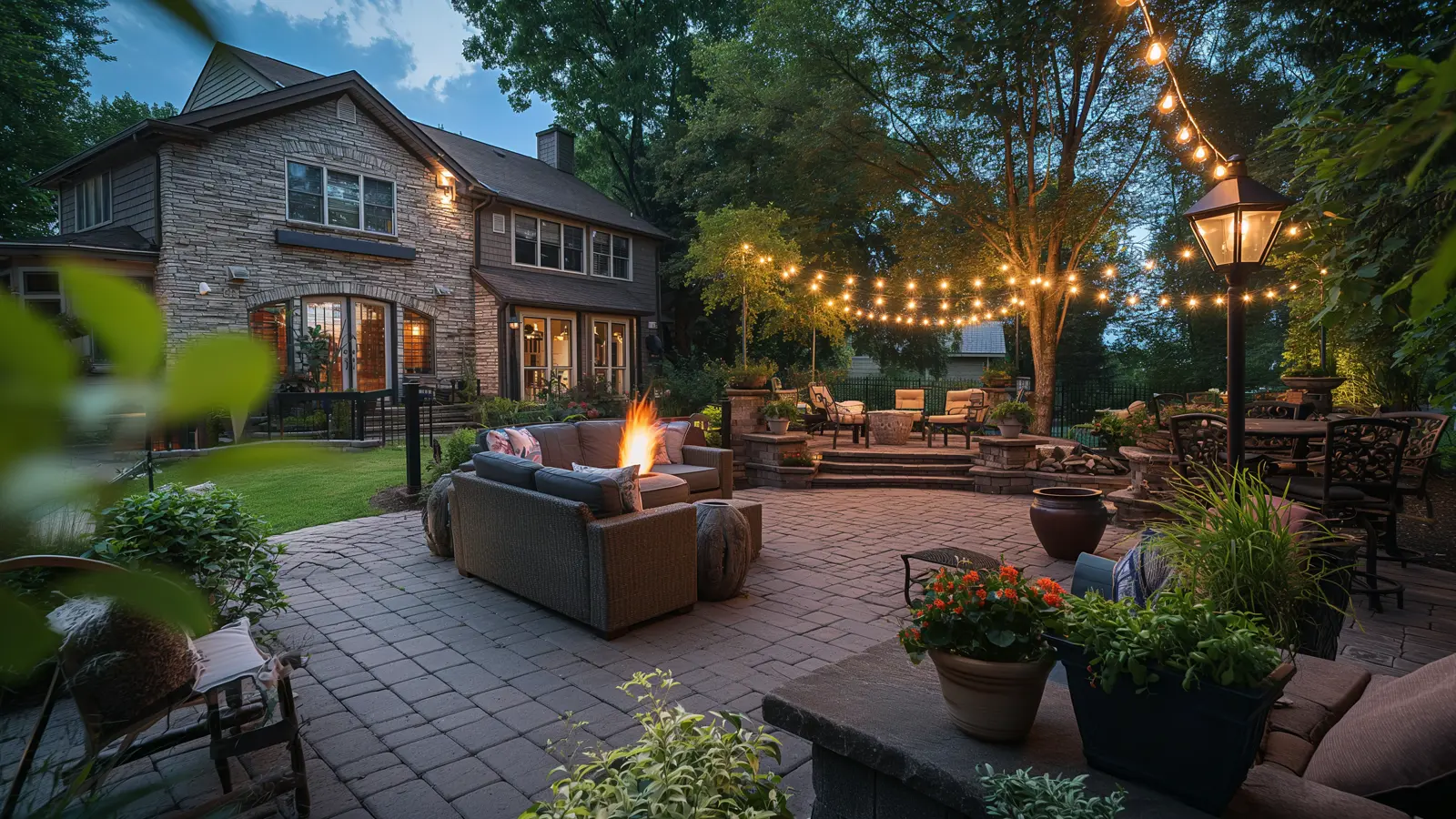
One of the key goals of landscaping is to create balance. This balance is achieved by combining softscape elements (plants and greenery) with hardscape features (non-living structures). Softscaping includes trees, shrubs, grass, and flowers that bring color, texture, and life to an area. Hardscaping includes pathways, driveways, patios, benches, and decorative stones that provide structure and accessibility. When properly integrated, these elements create outdoor spaces that are both attractive and practical.
Water features are another important aspect of landscaping design. Elements such as fountains, ponds, waterfalls, and streams add movement and sound to outdoor spaces. They create a calming atmosphere and often become focal points in a garden. In addition, water features can support wildlife by providing habitats for birds, insects, and aquatic life. However, they require proper planning to ensure water efficiency and easy maintenance. Need a landscaping company Greensboro, call Ground Scapes.
Modern landscaping also emphasizes environmental sustainability. Eco-friendly landscaping practices aim to reduce water usage, minimize chemical pollution, and support biodiversity. One common method is xeriscaping, which involves using drought-resistant plants that require minimal irrigation. This approach is especially useful in regions with limited water resources. Composting organic waste and using natural fertilizers also help maintain soil health without harming the environment.
Another important trend is smart irrigation systems. These systems use sensors and timers to deliver the right amount of water to plants based on weather conditions and soil moisture. This not only conserves water but also promotes healthier plant growth. Similarly, drip irrigation systems are widely used in modern landscapes because they deliver water directly to plant roots, reducing waste.
Urban landscaping has also evolved significantly in recent years. In densely populated cities, green spaces are often limited, so innovative solutions like rooftop gardens, vertical green walls, and balcony gardens are becoming popular. These spaces improve air quality, reduce heat in urban areas, and provide residents with access to nature. They also help combat the “urban heat island” effect, where cities become significantly warmer than surrounding rural areas.
Landscaping is not only about beauty and environment—it also has economic value. Well-maintained landscapes can increase property value significantly. Homes with attractive gardens and outdoor spaces are often more appealing to buyers. Commercial properties also benefit from professional landscaping because it creates a positive first impression for customers and clients.
In addition to economic benefits, landscaping supports mental and physical well-being. Green environments have been shown to reduce stress, improve concentration, and encourage outdoor activity. Parks and recreational areas provide space for exercise, relaxation, and social gatherings, contributing to healthier communities overall.
Maintenance remains a crucial part of landscaping success. Regular tasks such as pruning, mowing, fertilizing, and pest control ensure that plants remain healthy and attractive. Seasonal care is also important, as plants respond differently throughout the year. For example, spring may require planting and fertilizing, while autumn may focus on cleaning and preparing plants for colder weather.
In summary, landscaping is a dynamic and evolving field that blends creativity, science, and environmental responsibility. It transforms ordinary outdoor spaces into meaningful environments that enhance beauty, support nature, and improve human life. As awareness of sustainability and urban living continues to grow, landscaping will play an even more important role in shaping the future of our surroundings.
0 Comment