
 David
How Modern Laboratories Maintain Reliable Experimental Conditions
The Importance of Controlled Research Environments
Scientific research depends on reliable experimental conditions. Whether scientists are studying chemical reactions, developing new materials, or testing industrial processes, they need environments where important variables can be controlled and recorded. Even small changes in temperature, pressure, contamination levels, or equipment performance may influence experimental results.
A well-organized laboratory reduces these uncertainties through standardized procedures and appropriate equipment. Researchers establish operating instructions, calibrate instruments, document experimental conditions, and maintain consistent methods for handling materials. These practices make it easier to compare results and repeat experiments when necessary.
Laboratory reliability is not achieved through expensive instruments alone. It also depends on how equipment is selected, installed, operated, and maintained. A technically advanced instrument may still produce unreliable results if it is used outside its recommended conditions.
Research institutions therefore need a practical approach that considers the entire experimental environment. Equipment, materials, personnel, and documentation all contribute to the quality of scientific work.
Choosing Equipment for High-Temperature Experiments
Many laboratory procedures require controlled heating. Material testing, chemical analysis, sample preparation, and thermal treatment may involve temperatures that ordinary laboratory equipment cannot safely support. In these applications, researchers must select components that can withstand the intended operating conditions.
A furnace system, for example, needs an appropriate heating chamber, insulation, temperature controls, and compatible internal components. Materials exposed to high temperatures should maintain their required properties throughout the experiment. They must also be suitable for the chemicals and substances involved in the process.
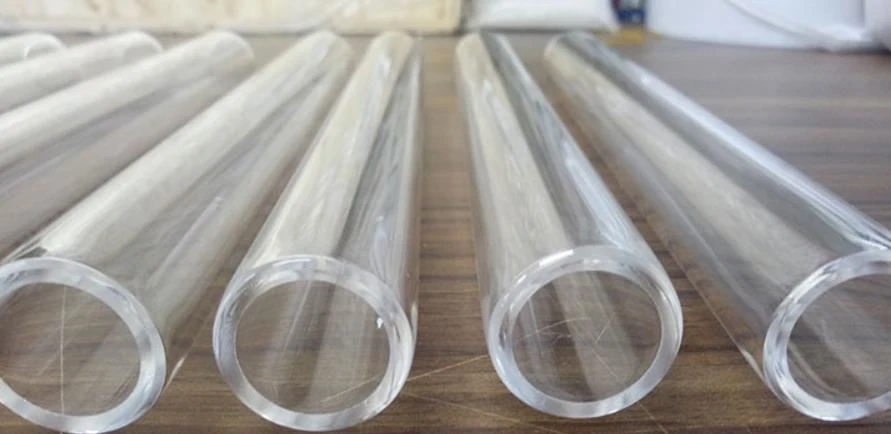
Depending on the application, laboratories may use Quartz Glass Tubes to support controlled heating processes. The design and dimensions of these components should match the furnace configuration, operating temperature, and sample requirements. Researchers working with specialized equipment may also consider Custom Fused Quartz Furnace Tubes when standard dimensions are unsuitable.
Before selecting any component, laboratory teams should review technical specifications and operating limitations. Material compatibility, dimensional accuracy, thermal behavior, and maintenance requirements should all be considered. Proper selection helps create more predictable experimental conditions.
Maintaining Consistency Between Experiments
Repeatability is one of the most important principles in scientific research. If an experiment produces different results each time it is performed under supposedly identical conditions, researchers may struggle to determine whether the observed changes are meaningful.
Laboratories can improve repeatability by documenting essential operating details. These may include heating rates, holding temperatures, sample quantities, equipment settings, preparation methods, and environmental conditions. Recording this information allows researchers to identify possible differences between experimental runs.
Equipment maintenance is equally important. A temperature sensor that provides inaccurate readings can affect an entire research project. Similarly, worn seals, damaged chamber components, or inconsistent power delivery may introduce variables that are difficult to detect immediately.
Routine inspections should therefore be included in laboratory schedules. Calibration records, maintenance logs, and equipment performance reports can help research teams identify recurring problems. When equipment is replaced or modified, the laboratory should document the change and determine whether previous procedures need adjustment.
Reducing Contamination and Handling Errors
Contamination can compromise scientific results, especially when experiments involve sensitive materials or very small sample quantities. Dust, moisture, chemical residues, and particles transferred from handling equipment may change the behavior of a sample.
Laboratories should establish suitable cleaning and handling procedures for each type of experiment. Storage containers, work surfaces, tools, and processing equipment must be selected according to the materials being studied. Personnel should understand how to prevent cross-contamination between samples.
In high-temperature research, contamination control may also depend on the materials used inside processing equipment. Components that contact samples or operate near them should be appropriate for the intended application. Researchers should consider whether a material could react with the sample, release unwanted substances, or deteriorate during repeated heating cycles.
Clear labeling and organized storage can reduce handling mistakes. A laboratory that maintains separate areas for preparation, processing, and analysis may also find it easier to control the movement of samples.
Creating a Sustainable Laboratory Management System
Reliable research requires more than individual experiments performed correctly. Laboratories need management systems that support equipment availability, safety, documentation, and continuous improvement.
A useful starting point is to establish maintenance schedules based on equipment requirements and usage frequency. Frequently used instruments may need more regular inspection than equipment operated occasionally. Laboratories should also maintain records of replacement parts, calibration dates, and service history.
Staff training should cover both technical procedures and laboratory safety. New researchers need to understand equipment limitations before operating specialized systems independently. Experienced employees can also benefit from refresher training when procedures or instruments change.
Finally, laboratory managers should review whether existing equipment continues to meet research objectives. As scientific projects develop, new sample sizes, processing methods, or temperature requirements may create different technical demands.
By maintaining controlled conditions, choosing suitable equipment, and documenting procedures carefully, laboratories can improve the reliability of their research. These practices support stronger experimental results and help scientific teams make better use of their time and resources.
0 Comment