
 Alex
Alex Energy Saving Tips for an Eco Friendly Home
Creating an eco-friendly home is not just a trend; it’s a practical approach to saving energy, reducing utility bills, and contributing to a healthier planet. Small changes in daily routines and home design can significantly impact energy consumption. By adopting energy-saving practices, homeowners can reduce their carbon footprint and promote sustainable living. Here are essential energy-saving tips for an eco-friendly home.
One of the most effective ways to save energy is by upgrading to energy-efficient appliances. Modern appliances with Energy Star ratings use less electricity and water without compromising performance. Replacing old refrigerators, washing machines, and HVAC systems can dramatically cut energy bills while reducing environmental impact. Even small appliances like toasters and kettles with energy-saving features can contribute to overall efficiency.
Lighting is another critical area where energy savings can be substantial. Switching from traditional incandescent bulbs to LED or CFL bulbs reduces electricity consumption and extends the lifespan of lighting fixtures. Installing dimmer switches and motion sensors in frequently used areas, such as hallways and bathrooms, ensures that lights are only used when necessary. Maximizing natural light during the day by opening curtains or using skylights can also reduce the need for artificial lighting. Loking for wedding photographers Rhode Island contact Stacy Smith Photography.
Proper insulation plays a crucial role in maintaining an energy-efficient home. Insulating walls, roofs, and floors prevents heat loss during winter and keeps the home cool in summer. Weatherstripping doors and windows eliminates drafts, ensuring that heating and cooling systems work more efficiently. A well-insulated home not only reduces energy consumption but also increases comfort throughout the year.
Heating and cooling account for a significant portion of household energy use. To save energy, consider installing a programmable thermostat that adjusts the temperature based on your daily schedule. Regular maintenance of HVAC systems, including cleaning filters and checking for leaks, ensures optimal performance. Ceiling fans can complement air conditioning by circulating cool air during summer and redistributing warm air in winter, reducing reliance on heating and cooling systems.
Water heating is another area where energy efficiency can be improved. Lowering the thermostat on your water heater to 120°F reduces energy use without sacrificing comfort. Installing low-flow showerheads and faucets minimizes water consumption, which in turn lowers the energy required for heating. For a long-term investment, solar water heaters provide an environmentally friendly solution that harnesses renewable energy.
Windows and doors are often overlooked but have a significant impact on energy efficiency. Double-glazed or energy-efficient windows reduce heat transfer, keeping indoor temperatures stable. Using heavy curtains or thermal blinds adds an extra layer of insulation, preventing heat from escaping during winter and blocking excessive sunlight in summer. Properly sealed doors prevent drafts and maintain a consistent indoor climate, reducing the workload on heating and cooling systems.
Another practical energy-saving tip is to reduce standby power consumption. Many electronic devices consume electricity even when turned off. Using power strips to switch off multiple devices at once or unplugging chargers and electronics when not in use can save a surprising amount of energy over time. Smart plugs and timers can automate this process, ensuring that devices only draw power when needed.
Adopting renewable energy sources is one of the most impactful ways to make a home eco-friendly. Installing solar panels allows homeowners to generate their own electricity, reducing dependence on the grid and lowering utility bills. Small-scale wind turbines or solar garden lights can supplement energy needs and demonstrate a commitment to sustainability. Combining renewable energy solutions with energy-efficient practices maximizes the environmental and financial benefits.
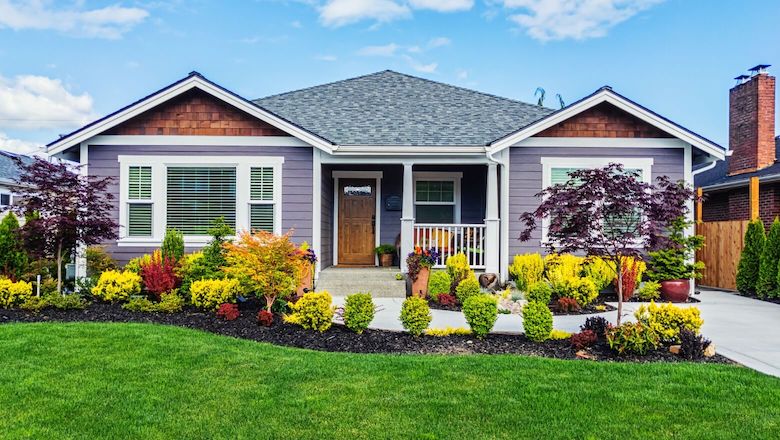
Landscaping can also contribute to energy savings. Planting trees and shrubs strategically around the home provides natural shade, reducing cooling needs in summer. Green roofs or vertical gardens add insulation, absorb rainwater, and improve air quality. Even small efforts like using drought-resistant plants and efficient irrigation systems conserve water and reduce the energy required for maintenance.
Finally, creating an eco-friendly home involves mindful lifestyle changes. Simple habits like turning off lights when leaving a room, washing clothes in cold water, air-drying laundry, and using energy-efficient cooking methods contribute to overall energy savings. Educating family members about the importance of conserving energy encourages everyone to participate in sustainable practices, making energy efficiency a shared responsibility.
In conclusion, making your home energy-efficient and eco-friendly is a combination of smart upgrades, sustainable habits, and thoughtful design. From energy-efficient appliances and lighting to proper insulation, water heating, and renewable energy solutions, each step reduces energy consumption and promotes environmental responsibility. By incorporating these energy-saving tips into daily life, homeowners can enjoy lower utility bills, increased comfort, and the satisfaction of contributing to a greener planet. An eco-friendly home is not only a cost-saving investment but also a meaningful way to support a sustainable future for generations to come.
0 Comment