
 Alex
Alex Luxury Magazines A Window into Elegance and Prestige
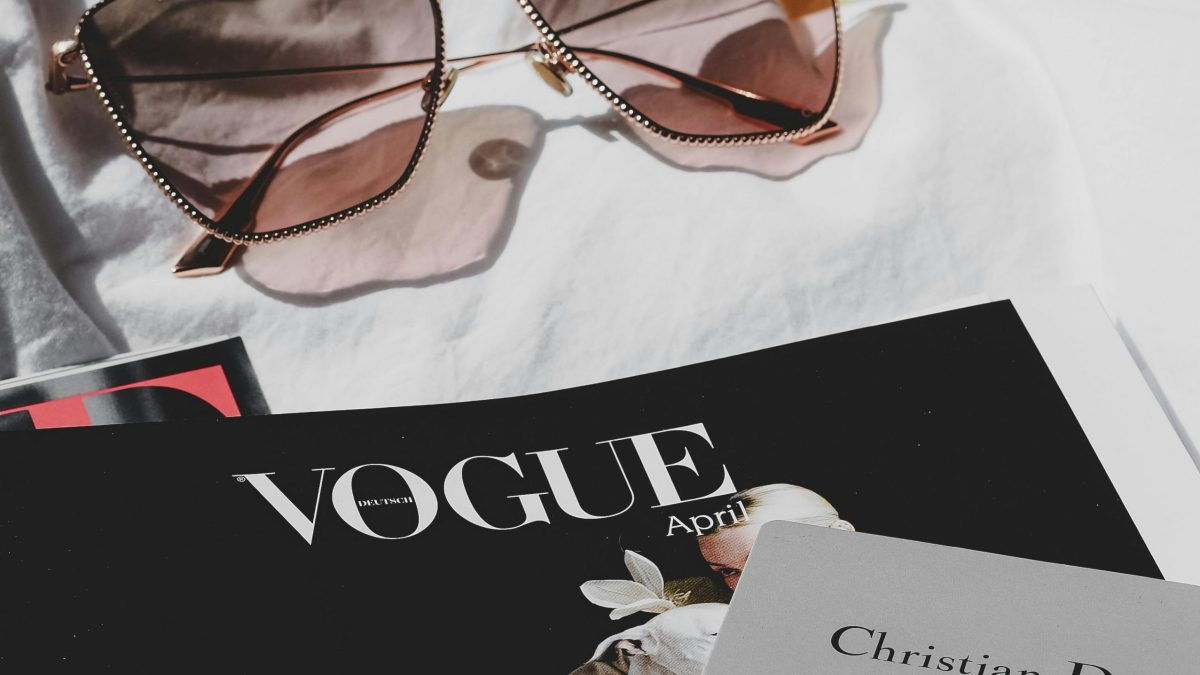
Luxury magazines have long been luxury lifestyle digital magazine symbols of sophistication, exclusivity, and refined taste. These publications are much more than printed pages filled with advertisements and glossy photographs; they represent a lifestyle that celebrates wealth, fashion, culture, travel, and high-end living. From iconic fashion editorials to interviews with influential personalities, luxury magazines continue to shape trends and inspire readers around the world.
The history of luxury magazines dates back to the early twentieth century when elite publications began targeting wealthy audiences. Magazines such as Vogue and Harper’s Bazaar became pioneers in presenting luxury fashion, beauty, and social culture. Over time, these magazines expanded their focus to include luxury automobiles, jewelry, fine dining, exclusive travel destinations, and premium real estate. Their influence grew alongside the rise of global fashion houses and luxury brands.
One of the key attractions of luxury magazines is their visual appeal. High-quality photography, artistic layouts, and elegant designs create a premium reading experience. Readers are drawn to carefully curated content that showcases the latest collections from world-famous designers, luxury watches, expensive perfumes, and exotic vacation spots. Every page is designed to communicate beauty, exclusivity, and prestige.
Luxury magazines also play an important role in the fashion industry. Designers and brands rely on these publications to introduce new collections and build their image among affluent consumers. Fashion editors and journalists often attend major international events such as Paris Fashion Week and Milan Fashion Week to report on emerging trends. As a result, luxury magazines become powerful trendsetters that influence what people wear, buy, and admire.
In addition to fashion, luxury magazines cover topics related to art, culture, business, and lifestyle. Articles may feature successful entrepreneurs, luxury travel experiences, gourmet cuisine, or interviews with celebrities and influential figures. Readers often view these magazines as guides to achieving a sophisticated and successful lifestyle. The content is carefully tailored to appeal to individuals who value quality, elegance, and exclusivity.
Advertising is another major component of luxury magazines. Premium brands invest heavily in these publications because they provide direct access to wealthy audiences. Luxury car companies, jewelry brands, and fashion houses use full-page advertisements to showcase their products in a glamorous environment. Unlike ordinary advertising, luxury magazine promotions focus on storytelling, emotion, and aspiration rather than simple product details.
Despite the rise of digital media, luxury magazines continue to maintain their relevance. Many publications have successfully adapted by creating digital editions, social media platforms, and online content. However, printed luxury magazines still hold a unique charm. The feel of high-quality paper, the rich imagery, and the collectible nature of these magazines provide an experience that digital screens cannot fully replace.
In conclusion, luxury magazines remain important cultural and commercial platforms in modern society. They represent elegance, creativity, and aspiration while influencing industries such as fashion, travel, and luxury retail. Whether in print or digital form, these magazines continue to captivate readers with their glamorous portrayal of the world’s finest lifestyles.
0 Comment