
 Alex
Alex Understanding Monitors: A Complete Guide to Choosing the Right One
A monitor is an essential component of any computer setup, acting as the visual interface between the user and the system. Whether you’re working, gaming, designing, or watching videos, the quality of your monitor significantly affects your experience. With various types, sizes, and features available, choosing the right monitor can be overwhelming. This article will help you understand everything you need to know about monitors, including their types, features, and how to select the best one for your needs.
What is a Monitor?
A monitor is an electronic display screen that presents visual output from a computer or other devices. It functions as an output device, displaying images, videos, and text in real time. Over the years,monitor price in bd technology has evolved significantly, from bulky CRT screens to sleek LED and OLED displays with high resolutions.
Types of Monitors
There are several types of monitors, each designed for specific purposes. Understanding these types will help you determine which one suits your needs best.
1. LCD (Liquid Crystal Display) Monitors
LCD monitors use liquid crystals to produce images. They are widely used due to their affordability, lightweight design, and energy efficiency. However, they generally have limited contrast compared to newer technologies.
2. LED (Light Emitting Diode) Monitors
LED monitors are a more advanced version of LCD monitors. They use LED backlighting, which results in better brightness, improved contrast, and lower power consumption. LED monitors are ideal for everyday use, office work, and entertainment.
3. OLED (Organic Light Emitting Diode) Monitors
OLED monitors offer superior color accuracy and contrast. Unlike LCDs, OLED displays do not require a backlight because each pixel emits its own light. This results in deeper blacks, vibrant colors, and wider viewing angles. OLED monitors are preferred for high-end gaming, video editing, and professional design work.
4. Gaming Monitors
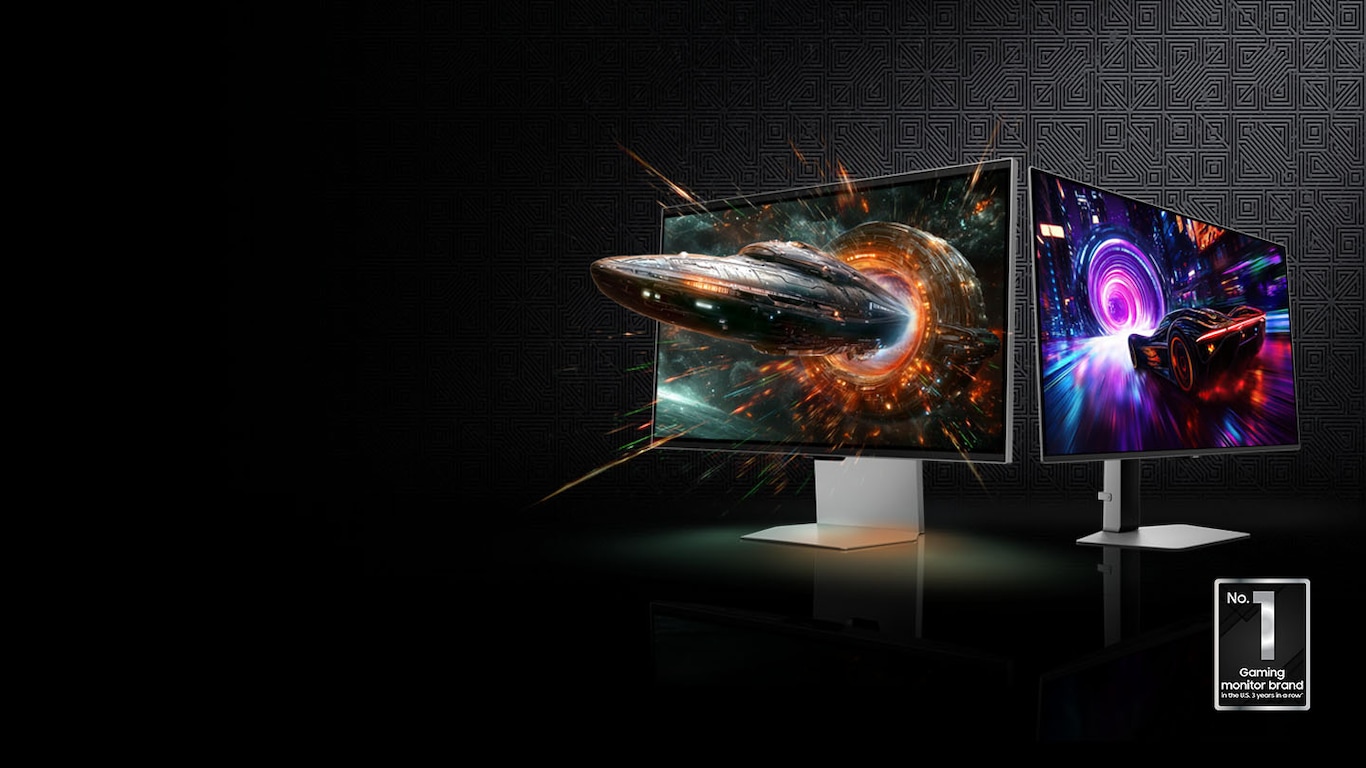
Gaming hp monitor price in bangladesh are designed specifically for gamers. They feature high refresh rates (120Hz, 144Hz, or even 240Hz), low response times (1ms to 5ms), and adaptive sync technologies like NVIDIA G-Sync and AMD FreeSync. These features enhance gaming performance by reducing screen tearing, input lag, and motion blur.
5. Curved Monitors
Curved monitors have a slight curvature, which enhances immersion by reducing distortion and providing a more natural viewing experience. They are particularly popular among gamers and professionals who work with multiple windows.
6. Ultrawide Monitors
Ultrawide monitors have a wider aspect ratio (21:9 or 32:9) compared to standard monitors (16:9). These monitors are excellent for multitasking, video editing, and immersive gaming experiences.
7. Touchscreen Monitors
Touchscreen monitors allow users to interact with their computers using touch gestures. These monitors are commonly used in design, education, and business settings.
Key Features to Consider When Choosing a Monitor
When selecting a dell monitor price in bangladesh several factors should be considered to ensure you get the best performance for your needs.
1. Screen Size
Monitors come in various sizes, typically ranging from 19 inches to 34 inches or more. The best size depends on your use case:
- 24-27 inches: Ideal for office work, web browsing, and casual gaming.
- 27-32 inches: Suitable for professional work, content creation, and immersive gaming.
- 34 inches and above: Best for ultrawide displays, multitasking, and cinematic experiences.
2. Resolution
The resolution of a monitor determines the sharpness and clarity of images. Common resolutions include:
- HD (1366×768): Suitable for basic computing tasks.
- Full HD (1920×1080): A popular choice for general use, gaming, and office work.
- Quad HD (2560×1440): Offers sharper images, ideal for gaming and professional applications.
- 4K UHD (3840×2160): Best for high-end gaming, video editing, and professional design work.
3. Refresh Rate
The refresh rate, measured in Hertz (Hz), determines how often the screen updates per second. Higher refresh rates result in smoother motion:
- 60Hz: Standard for office work and general use.
- 120Hz-144Hz: Recommended for gaming.
- 240Hz+: Best for competitive gaming and fast-paced content.
4. Response Time
Response time, measured in milliseconds (ms), indicates how quickly pixels change color. Lower response times reduce motion blur:
- 1ms – 5ms: Ideal for gaming.
- 8ms – 10ms: Suitable for office work and multimedia.
5. Panel Type
The type of panel affects color accuracy, contrast, and viewing angles:
- IPS (In-Plane Switching): Excellent color accuracy and wide viewing angles, ideal for professionals.
- TN (Twisted Nematic): Fast response times but lower color accuracy, preferred by gamers.
- VA (Vertical Alignment): High contrast and deep blacks, great for movies and gaming.
6. Connectivity Options
Make sure your monitor has the necessary ports to connect your devices:
- HDMI: Standard for most computers, gaming consoles, and media players.
- DisplayPort: Preferred for high refresh rate gaming and professional use.
- USB-C: Provides fast data transfer and power delivery for modern devices.
- VGA/DVI: Older connection types, mainly for legacy systems.
7. Additional Features
Some monitors come with extra features to enhance usability:
- HDR (High Dynamic Range): Improves contrast and brightness for better visuals.
- Built-in Speakers: Useful for basic audio needs.
- Adjustable Stand: Allows height and tilt adjustments for ergonomic comfort.
- Blue Light Filter & Flicker-Free Technology: Reduces eye strain during extended use.
How to Choose the Best Monitor for Your Needs
Here’s a quick guide based on different use cases:
- For Office & Productivity: A 24-27 inch, Full HD, IPS panel with an ergonomic stand is ideal.
- For Gaming: A 27-inch, 144Hz refresh rate, 1ms response time, and G-Sync/FreeSync is recommended.
- For Content Creation: A 4K UHD, IPS or OLED panel, and high color accuracy is best.
- For Watching Movies: A curved, ultrawide, VA panel with HDR support provides a great experience.
Conclusion
Monitors play a crucial role in our daily digital activities, from work and gaming to multimedia and design. Understanding the different types of monitors, their features, and specifications can help you make an informed decision. Whether you need a budget-friendly monitor for office work, a high-performance gaming monitor, or a professional-grade display for creative work, there’s an option available for everyone. Choose wisely and enjoy a better viewing experience!
0 Comment