
 roman raihan
 The Importance of Hollow Blocks in Construction: A Comprehensive Guide
Hollow blocks, also known as cellular concrete blocks, are a vital construction material that has become an essential part of modern architecture and construction. Their importance is seen in various applications, such as building walls, partitions, and even pavements. These blocks offer a range of benefits, including durability, cost-efficiency, and thermal insulation, making them a popular choice for both residential and commercial buildings. In this article, we will explore the characteristics, advantages, types, and applications of hollow blocks in construction.Gleason Home Improvements is a roofing company High Point
What Are Hollow Blocks?
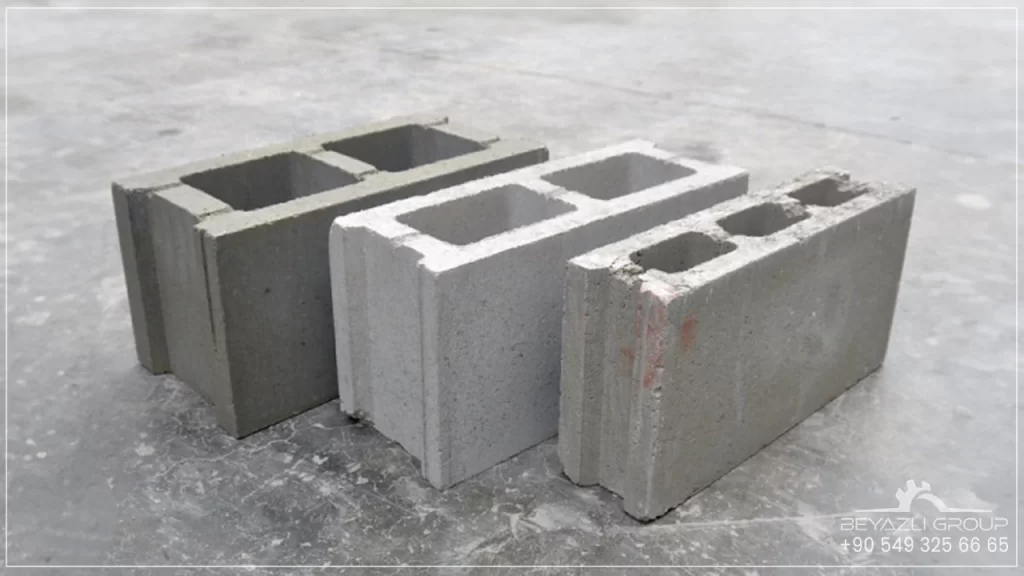
Hollow block are concrete blocks that contain hollow cavities or air pockets within them. These voids not only make the blocks lighter in weight but also contribute to improving their insulation properties. These blocks are typically made from a mix of cement, sand, water, and other aggregates. The hollow spaces within the blocks reduce the overall weight, which allows for easier handling and transportation. The use of these blocks has revolutionized the construction industry, offering more sustainable and efficient building solutions.
Hollow blocks are manufactured using different methods, including the traditional hand-molded process or more modern automated systems, which allow for large-scale production. The size of the hollow blocks may vary, but they generally follow standard dimensions, making them easy to use in construction projects.
Advantages of Hollow Blocks
- Lightweight and Easy to Handle
The primary advantage of hollow blocks is their lightweight nature. Compared to solid concrete blocks, hollow blocks weigh significantly less due to the air cavities. This makes them easier to handle, transport, and install, thus reducing labor costs and time during construction. The reduced weight also minimizes the load on the building’s foundation.
- Thermal Insulation
Hollow blocks provide excellent thermal insulation due to the air pockets within the blocks. These blocks help maintain a comfortable indoor temperature by reducing the transfer of heat from the outside environment. In hot climates, they help keep the interiors cooler, while in cold climates, they help retain heat inside the building. This results in reduced energy consumption for heating and cooling systems, leading to cost savings and a more environmentally friendly building.
- Sound Insulation
In addition to thermal insulation, hollow blocks also offer soundproofing benefits. The voids within the blocks act as barriers to sound transmission, reducing noise levels from both external and internal sources. This makes hollow blocks an ideal choice for buildings located in noisy urban areas or for structures like hospitals, schools, and offices that require noise control.
- Cost-Effective
The affordability of hollow blocks makes them a highly cost-effective material for construction. They are generally less expensive than solid concrete blocks, and their lightweight nature leads to savings in terms of transportation and labor costs. Additionally, the energy-efficient properties of hollow blocks contribute to long-term savings in heating and cooling bills.
- Sustainability and Environmentally Friendly
Concrete solid Block are considered a more sustainable construction material. The production process uses less cement and aggregates, making them more eco-friendly. Furthermore, the energy-saving properties of hollow blocks reduce the carbon footprint of buildings, as they help reduce the need for energy-intensive heating and cooling systems. By choosing hollow blocks, builders can contribute to greener, more sustainable construction practices.
- Fire Resistance
Hollow blocks are highly resistant to fire, making them an excellent choice for building structures where fire safety is a concern. Concrete, the primary material used to make hollow blocks, has natural fire-resistant properties, which can help prevent the spread of fire within a building.
- Durability and Strength
Despite their lightweight nature, hollow blocks are durable and strong, capable of withstanding significant weight and pressure. This makes them suitable for load-bearing applications, including the construction of walls, columns, and foundations. When used properly, hollow blocks provide long-lasting structural integrity.
Types of Hollow Blocks
There are several types of hollow blocks available, each designed for specific construction needs. Some of the most common types include:
- Concrete Hollow Blocks (CHB): These are the most widely used type of hollow block. They are made from a mix of cement, aggregates, and water and come in various sizes. Concrete hollow blocks are ideal for use in building walls, partitions, and facades.
- Autoclaved Aerated Concrete (AAC) Blocks: AAC blocks are made from a mixture of cement, lime, sand, and water, with an aeration agent that causes the blocks to expand. These blocks are lighter than concrete hollow blocks and provide superior thermal insulation. They are commonly used for residential construction and buildings requiring energy-efficient solutions.
- Lightweight Concrete Blocks: These blocks are similar to concrete hollow blocks but use lightweight aggregates such as expanded polystyrene beads or perlite to reduce the overall weight of the block. They are commonly used in areas where reducing the load on the structure is a priority.
- Fly Ash Hollow Blocks: Fly ash is a byproduct of coal combustion and is used in the production of hollow blocks. Fly ash hollow blocks are highly durable and have excellent insulating properties. They are an eco-friendly alternative to conventional concrete blocks.
Applications of Hollow Blocks
Concrete Brick have a wide range of applications in construction, thanks to their versatility and various benefits. Some of the most common uses include:
- Wall Construction: Hollow blocks are extensively used in the construction of load-bearing and non-load-bearing walls. The blocks provide structural stability while reducing the overall weight of the walls.
- Partition Walls: Due to their lightweight nature and soundproofing properties, hollow blocks are commonly used to construct internal partition walls in buildings.
- Paving: Some hollow blocks are specifically designed for use in pavements, walkways, and driveways. Their strength and durability make them ideal for outdoor applications.
- Facade Cladding: Hollow blocks are often used for facade cladding, providing both aesthetic appeal and practical benefits like insulation and durability.
- Construction of Retaining Walls: Hollow blocks are also used for retaining walls, especially in landscaping and civil engineering projects, thanks to their strength and resistance to weathering.
Conclusion
Hollow blocks are a versatile and cost-effective construction material that offers numerous advantages in terms of strength, insulation, fire resistance, and sustainability. Their lightweight nature makes them easy to handle and install, while their insulating properties help reduce energy consumption and provide comfort to building occupants. As the demand for energy-efficient and environmentally friendly construction materials continues to rise, hollow blocks will undoubtedly remain a staple in the building industry for years to come.
0 Comment